Kutch is a land of extremes, and the right month depends on what you want to see. If you are planning a stay in Bhuj, this month-by-month guide will help you choose.
October and November: the season opens
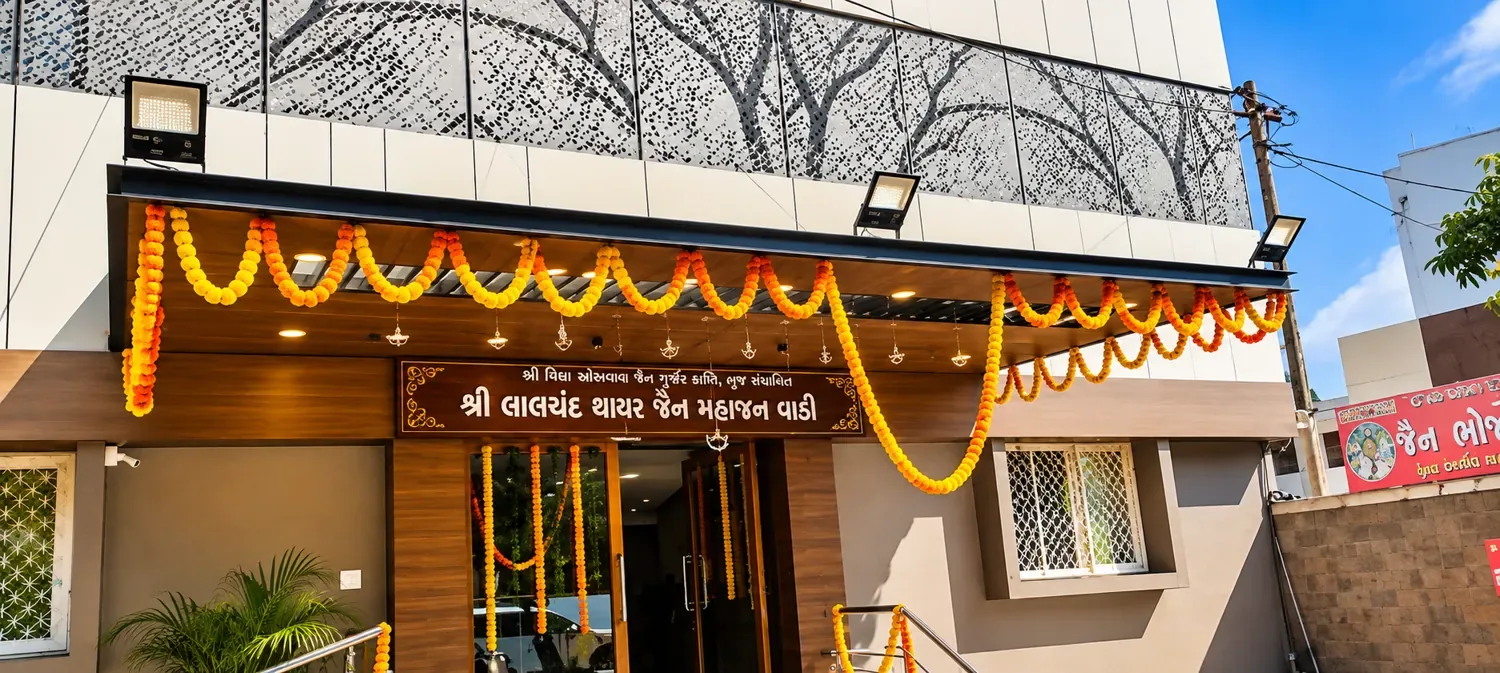
The monsoon has gone and the land is still faintly green. Days are warm and nights begin to cool. Diwali and the Jain new year fall in this window, so festive lights and marigold garlands decorate temples and homes. The Rann Utsav festival usually begins around November, though dates change each year.
December and January: the coldest and most popular
This is peak season. Days are comfortable, nights can be properly cold, and the White Rann looks its best. Rooms in Bhuj fill quickly, so book early. Pack a warm layer for evenings and early mornings.
February and March: pleasant and calmer
Temperatures climb gently and crowds thin. Bhuj’s museums and palaces are easy to visit, and the Rann is still accessible. Mahavir Jayanti usually falls in March or April, which matters if you are travelling for the festival.
April to June: very hot
Summers are intense, with daytime temperatures that can climb well above 40°C. Sightseeing is best before 10:00 AM and after 5:00 PM. This is the quietest period for visitors.
July to September: monsoon
Rains turn Kutch unexpectedly green and the Rann floods, so the white salt desert is not available. Bhuj is quiet. Paryushan, the Jain festival of fasting and reflection, usually falls in August or September.
Our suggestion
For first-time visitors who want the White Rann, plan a trip between late November and February. For a quiet city stay with museums and palaces, March is excellent. Whenever you come, send us your dates and we will confirm room availability. Not sure what to do once you arrive? See our three-day Bhuj itinerary.